




Iron Filtration for Well Water
Solutions for Maryland & Delaware Homeowners
If you rely on well water for your Maryland or Delaware home, you’re already familiar with its many benefits: independence from municipal systems, cost savings, and often an excellent taste. However, well water comes with its own set of challenges, and iron contamination is one of the most common. Orange stains on your bathtub, rusty-colored laundry, and a metallic taste in your drinking water are telltale signs that iron filtration for well water might be exactly what your home needs. Understanding how iron affects your water, and what you can do about it, is the first step toward protecting your home and enjoying truly clean water. A free water analysis can help you determine the exact nature of your water quality issues and guide you toward the right solution.
Why Well Water Contains Iron
Iron enters well water naturally as water travels through soil and bedrock, dissolving minerals along the way. Maryland and Delaware’s soil composition is particularly rich in iron deposits, making it a common issue for homeowners in Anne Arundel County, the Eastern Shore, and throughout both states. There are three types: ferrous iron is dissolved and invisible when first drawn from the tap, turning rusty orange after exposure to oxygen, Ferric iron appears as visible rust-colored particles, and Iron Bacteria which are micro organisms that derive energy by by oxidizing dissolved iron. While not harmful to human health, they create thick, rust-colored or slimy, red/brown deposits that can clog plumbing, shorten water softener lifespan, and cause foul odors Iron bacteria requires specific treatment beyond water softening or oxidation/filtration. Municipal water systems treat iron before it reaches your tap, but private well owners are responsible for their own water treatment. Many Maryland and Delaware wells exceed the EPA’s secondary standard of 0.3 milligrams per liter, making iron filtration for well water a common need.
How to Tell If Your Well Water Has Iron Problems
Recognizing iron problems in your well water is usually straightforward; the signs are hard to miss once you know what to look for.
Visible staining
is often the first clue. Orange or brown stains appear on your sinks, toilets, bathtubs, and shower walls. You might notice discoloration on your driveway where water runs off, or staining around outdoor spigots. These stains are stubborn and require constant scrubbing, only to return within days.

Taste and odor issues
are another strong indicator. Water with high iron content often has a distinct metallic taste that affects not just your drinking water, but also coffee, tea, and food prepared with water. Some well water contains both iron and hydrogen sulfide, which creates a rotten egg smell alongside the metallic taste.

Your appliances suffer
when iron is present in your water. Water heaters, dishwashers, and washing machines accumulate scale and iron deposits that reduce their efficiency and shorten their lifespan. You might notice that your water heater doesn’t perform as well as it should, or that your dishwasher leaves spots and film on glassware.

Plumbing concerns
As iron and iron bacteria accumulates inside your pipes. You might see reduced water flow, discoloration in your fixtures, or iron particles in the water when you first turn on a faucet. One particularly telltale sign of iron bacteria is in the toilet tank, where iron bacteria grows slimy or stringy buildup, or a oil/gas like film on the water surface.
Why Iron Filtration for Well Water Matters
While iron in well water isn’t typically a health hazard at the concentrations found in most residential wells, its impact on your home and quality of life is significant and worth addressing.
The financial cost of untreated iron adds up quickly. You’ll spend money replacing stained fixtures, repairing stained tiles and grout, and repairing or replacing appliances that fail prematurely due to iron buildup. Clothes and linens get stained and ruined frequently. The constant purchase of cleaning products to battle stains becomes an ongoing expense.
Long-term plumbing damage is perhaps the most serious concern. Iron accumulation inside pipes creates buildup that restricts water flow and can eventually require expensive pipe replacement. Iron bacteria, can exacerbate this by creating a slimy biofilms that hasten clogging, worsen staining problems, and creating taste and odor issues in your water.
The Science Behind Iron Filtration Systems
Modern iron filtration systems use air injection oxidation to solve iron problems. The water filter system creates an air pocket in the filter tank, and as water passes through this air bubble, dissolved ferrous iron oxidizes into solid rust particles. This chemical-free approach is cleaner and safer than older methods that relied on chemicals that were messy to handle and could leave their own taste and odor in the water.
After oxidation, specialized filter media does the heavy lifting:
- The media physically traps oxidized iron particles while allowing clean water to pass through
- It raises the pH of the water, which enhances the oxidation process and makes iron removal more efficient
- The media bed acts as a barrier that captures rust particles throughout the filtration process
The filter media would eventually become clogged with trapped iron if the system didn’t clean itself. During regeneration, the system reverses water flow, flushing trapped iron particles to drain and replenishing the air supply. Modern systems handle this automatically, working quietly in the background to provide continuous iron-free water throughout your home.
What to Consider When Selecting Water Filtration Systems
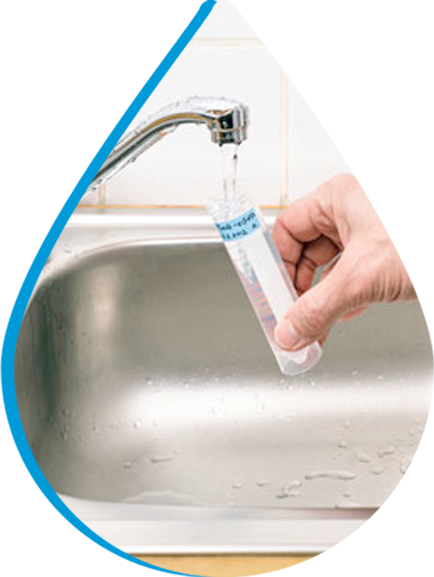
Choosing the right filtration for well water starts with understanding your specific water quality situation, which is why professional water testing is essential before investing in any treatment system.
A comprehensive water analysis reveals not just your iron level, but also what types of iron, pH, water hardness, manganese, sulfur, and other factors that influence which treatment approach will work best. Iron levels can vary significantly from one well to another, even in the same neighborhood. Some wells have relatively low iron that’s easy to treat, while others have high iron concentrations or iron bacteria that require more robust systems.
System capacity matters because your iron filtration system needs to keep up with your household’s water usage. A system sized for a couple won’t perform well in a home with a family of five. Professional sizing takes into account the number of bathrooms, water-using appliances, and typical daily consumption patterns to ensure your water filter system can handle peak demand without compromising performance.
Key considerations when selecting an iron filtration system include:
Iron concentration levels and co-occurring issues
Iron rarely travels alone in well water. You might also be dealing with hard water, low pH, manganese, or hydrogen sulfide. A comprehensive approach addresses all of these issues, often through integrated systems that tackle multiple problems simultaneously.
Whole-house coverage
Point-of-use systems that treat water at a single location don't solve the broader problems of stained fixtures and damaged appliances throughout the house. A whole-house iron filtration system ensures that every drop of water entering your home is treated.
Integration with other systems
If you have concerns about bacteria or other microorganisms, UV disinfection systems work well alongside iron filtration. If you're dealing with low water pressure from your well, constant pressure systems can be incorporated into your water treatment setup.
Maintenance requirements
Modern iron filtration systems are designed for minimal upkeep. You should expect periodic filter media replacement and annual inspection of system components, but day-to-day operation is fully automatic.
Professional installation is crucial for well water systems because proper setup requires understanding well pressure, flow rates, drain line requirements, and local plumbing codes. An experienced installer will size the system correctly, ensure adequate water pressure for backwash cycles, and integrate the system seamlessly with your existing plumbing.
Iron Filtration Solutions for Local Well Water
Well water characteristics vary significantly by region, and Maryland and Delaware have their own unique water quality patterns that local water treatment experts understand intimately.
Anne Arundel County, the Eastern Shore, and Delaware coastal areas each have distinct geological features that influence well water quality. Some areas are prone to particularly high iron levels, while others commonly see iron combined with low pH or hydrogen sulfide. Local expertise matters because water treatment professionals who have worked in your area for decades understand these regional patterns and know which solutions work best for local conditions.
Water testing becomes even more important given these regional variations. While iron might be your primary concern, a thorough analysis often reveals other issues that should be addressed simultaneously for optimal water quality. Companies with long-standing roots in Maryland and Delaware bring that accumulated knowledge to every water analysis and system recommendation.
The real-world benefits that Maryland and Delaware homeowners experience after installing iron filtration for well water are immediate and lasting:
- Stains stop appearing on fixtures and surfaces
- Laundry comes out clean and bright without rust discoloration
- The metallic taste disappears from drinking water, coffee, and tea
- Appliances run more efficiently and last longer without iron buildup
- The constant cleaning and frustration associated with iron-contaminated water become a thing of the past
Homeowners consistently report that they wish they’d addressed the problem sooner rather than tolerating it for years.
Taking the Next Step with Iron Filtration for Well Water
Iron in well water is a common challenge for Maryland and Delaware homeowners, but it’s also entirely manageable with the right approach. Modern iron filtration systems offer effective, low-maintenance solutions that transform problem water into the clean, fresh water you deserve.
If you’re seeing signs of iron in your well water, a free water analysis is a logical first step. Understanding your specific water situation—iron levels, pH, hardness, and any other quality concerns—allows you to make an informed decision about the best path forward. Clean, iron-free water isn’t a luxury for Maryland and Delaware well water homeowners; it’s an achievable reality that protects your home and improves your daily life.
Your Local Well Water Experts Since 1993
Hague Quality Water of Maryland has been providing refreshing solutions for residential and commercial water treatment since 1993. As a family-owned business serving Maryland, Delaware, and Washington DC, we understand the unique water quality challenges that well water homeowners face throughout our region.
Our mission is straightforward: make our customers happy by providing and installing the finest and highest quality water treatment solutions that deliver years of trouble-free use. Whether you’re dealing with iron staining, hard water, or other well water issues, our team of water experts brings decades of local experience to every project.
At Hague Quality Water of Maryland, it’s our people that set us apart. Our attitude, commitment to excellence, and unending desire to always improve. This is what makes us the leading water specialists in the region. We start every project with a free water analysis because we know that every well is different, and the right solution begins with understanding your specific water quality needs.
Contact us today to schedule your free professional water analysis and discover the difference that clean, treated water can make in your home.
Frequently Asked Questions
The most common signs include orange or brown stains on fixtures and laundry, a metallic taste in your drinking water, and water that runs clear initially but turns orange after sitting. If you’re experiencing any of these issues, a free water analysis can determine your iron levels and help identify the best solution for your home.
Yes, many modern iron filtration systems can also handle low levels of manganese and hydrogen sulfide, which often occur alongside iron in well water. A comprehensive water analysis will identify all contaminants present so you can choose a system that addresses your specific water quality issues.
Modern iron filtration systems are designed for minimal maintenance. They operate automatically and clean themselves through regular backwash cycles. You should expect periodic filter media replacement and annual inspection of system components, but day-to-day operation requires no effort on your part.