
The right water treatment system for a Maryland home depends on what’s actually in your water. Start with a free water test to identify contaminants like iron, iron bacteria, manganese, calcium, p.H., sulfur, or PFAS, then match your treatment, whether that’s a water softener, whole-home filtration system, or well water treatment solution, to those specific results. Hague Quality Water of Maryland has helped homeowners make this exact decision since 1993.
If you’ve ever noticed rust-colored stains in your sink, a metallic smell coming from your tap, or clothes that look dingy no matter how many times you wash them, your water is trying to tell you something. Maryland’s water supply varies dramatically depending on where you live; Central Maryland and the Eastern Shore well water often carries heavy iron content, while municipal supplies in Baltimore and Annapolis are treated with chlorine that can affect taste and odor. There’s no one-size-fits-all fix.
Choosing the right water treatment system starts with understanding what’s actually flowing through your pipes. Guessing leads to wasted money on equipment that doesn’t solve your problem. Testing first, then treating, is the approach that actually works.
This guide walks through the most common water issues Maryland homeowners face, the treatment options available, and how to figure out which solution fits your specific situation.
Why Water Quality Varies So Much Across Maryland
Maryland’s geography creates a patchwork of water-quality challenges. Homes on private wells often deal with naturally occurring iron and manganese in the groundwater. There are pockets of Radium and Arsenic in the ground water as well. What’s more is that iron bacteria is prevalent in many of these wells, this is often ignored by many treatment companies which leads to premature failure of a water softener.
Meanwhile, properties connected to municipal water systems in areas like Baltimore and Annapolis typically contend with heavy chlorine byproducts, hardness, and sometimes emerging contaminants like PFAS.
This is why a treatment system that works well for your neighbor might do nothing for you. Local knowledge matters here. A water treatment company that’s worked across Maryland for decades understands these regional differences and can point you toward solutions that address your actual water supply, not a generic one.
Common Water Problems in Maryland Homes
Before picking a system, it helps to recognize the warning signs. Here are some of the most frequent issues homeowners run into.
Iron and Brown Stains
Rust-colored stains on sinks, tubs, and toilets are one of the clearest signs of iron in your water. Iron doesn’t just discolor fixtures, it ruins laundry. This is especially common in well water where iron and Iron bacteria occur naturally in the groundwater. Iron Bacteria are not a health concern and do not show up in a bacteria test for total coliform and e-coli bacteria, but they are a huge problem. These bacteria slip past water softeners and iron filters and continue staining fixtures and laundry. They create musty organic odors in the shower and coat the resin in a water softener causing premature failure. The bacteria thrives on oxygen rich oxidation iron filters, leading to clogging of these filters. Iron Bacteria can be identified by a oily/gas sheen on the top of the water in a toilet tank, or by film, slime, or bacteria growing on the tank sides.
Manganese
Often found alongside iron, manganese can cause dark, brownish-black stains and give water an unpleasant taste. It’s less commonly discussed than iron, but it’s a frequent contaminant in Maryland groundwater and worth testing for specifically.
Hard Water
Hard water is loaded with dissolved calcium and magnesium. It shows up as soap scum, scale buildup on faucets and water heaters, and that dry, filmy feeling on skin after a shower. Over time, hardness can shorten the lifespan of appliances that rely on water, like dishwashers and washing machines.
PFAS and Emerging Contaminants
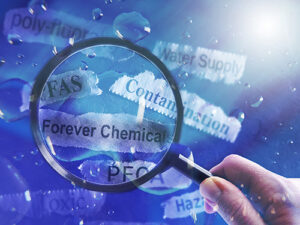
PFAS, including short-chain PFAS, have become a growing concern in Maryland’s drinking water. These “forever chemicals” don’t break down easily in the environment and have been linked to health concerns with long-term exposure. Unlike iron or hardness, PFAS aren’t something you can see, smell, or taste; testing is the only way to know if they’re present.
Odor and Taste Issues
A rotten-egg smell usually points to sulfur or sulfate reducing bacteria, while a chlorine taste is common in municipally treated water. Neither is pleasant, and both are addressable with the right filtration approach.
Why Water Testing Should Always Come First
Choosing a water treatment system without testing your water first is like buying medicine without a diagnosis. You might get lucky, but you’re just as likely to spend money on the wrong solution.
A professional water analysis identifies exactly what’s present in your water, whether that’s iron, manganese, hardness, PFAS, or something else entirely. Hague Quality Water of Maryland offers free water testing and consultation, so homeowners can understand their water before spending a dollar on treatment. This step alone can save significant money by preventing homeowners from purchasing equipment that doesn’t match their actual water-quality issues.
If you rely on a private well, testing becomes even more important. Well Water Treatment Maryland solutions are built around the specific contaminants found in your water source, since well water quality can vary block to block, let alone county to county.
Matching the Right Treatment System to Your Water
Once you know what’s in your water, the next step is choosing equipment designed to address it. Here’s a breakdown of common systems and who they’re best suited for.
Water Softeners: Best for Hard Water
Choose a water softener if hardness is your primary issue, meaning scale buildup, soap scum, and appliance wear are your main concerns. Traditional water softeners work by exchanging calcium and magnesium ions for sodium, effectively eliminating the minerals that cause hardness.
For homeowners with tighter space constraints, compact water softeners deliver the same softening benefits in a smaller footprint, making them a practical choice for smaller utility closets or condos.
Whole-Home Filtration Systems: Best for Multiple Contaminants
Choose a whole-home filtration system if you’re dealing with several issues at once, like a combination of chlorine taste, sediment, and odor. Whole-Home Water Filtration Systems treat water at the point where it enters your house, so every faucet, shower, and appliance receives filtered water rather than just a single tap.
This option makes sense for households that want comprehensive coverage without installing separate filters at every fixture.
Water Filtration for Specific Contaminants
Choose targeted filtration if your test results point to a specific contaminant, such as iron, manganese, or PFAS. Certain filtration media are designed specifically to address these substances, and a specialist can recommend the right configuration based on your water report.
Well Water Treatment Systems
Choose a well-specific system if your home relies on a private well. Well water often requires a combination approach, addressing iron, manganese, sediment, and bacteria simultaneously. Well Water Treatment Maryland solutions are typically customized after testing, since no two wells behave the same way.
What to Look for in a Water Treatment Company
Not every water treatment provider offers the same level of expertise or service. When comparing companies, a few things matter more than flashy marketing.
Look for certified specialists. Every technician should be licensed, certified, and insured. A trained water specialist can accurately diagnose the problem and recommend a solution that fits your needs, not simply the most expensive product available.
Prioritize companies that test before they sell. A trustworthy provider offers free water testing and consultation, so you understand what’s happening in your water before committing to any equipment.
Choose local expertise. Hague Quality Water of Maryland has been family-owned and operated since 1993, serving Maryland, Washington, D.C., and Delaware from offices in Annapolis and Ocean City. That kind of longevity means deep familiarity with regional water issues, from Eastern Shore well water to Baltimore’s municipal supply.
Ask about financing. Water quality problems shouldn’t be put off because of cost. Reputable providers offer flexible financing options so treatment remains accessible regardless of budget.
Beyond Treatment: Related Plumbing and Water Services
Water quality often intersects with broader plumbing needs. Many Maryland homeowners dealing with water-quality issues also need support with related systems, including:
- Residential plumbing services for repairs and installations
- Well pumps to keep water flowing reliably from private wells
- Water heaters, including water heater repair for homes in the Annapolis area
- Well pressure systems to maintain consistent water flow throughout the home
- Water coolers for convenient, filtered drinking water in homes or offices
Working with a provider that handles both water treatment and plumbing means fewer companies to coordinate with and a more complete picture of your home’s water system.
Making the Right Choice for Your Home
Picking a water treatment system doesn’t have to feel overwhelming once you know your starting point. Test your water first. Identify the specific contaminants affecting your home. Then match your treatment, whether that’s a softener, whole-home filtration system, or a targeted solution for well water, to those results.
If you’re a Maryland homeowner dealing with stained fixtures, unpleasant odors, or questions about what’s really in your water, Hague Quality Water of Maryland offers free water analysis and consultations to help you find a solution built around your actual needs. Reach out to schedule your free water test and take the guesswork out of choosing your next system.
Frequently Asked Questions
How much does a water treatment system cost for a Maryland home?
Costs vary depending on the type of system and the specific contaminants being addressed. A basic water softener typically costs less than a comprehensive whole-home filtration system designed to handle multiple contaminants. Hague Quality Water of Maryland offers flexible financing options to help make treatment accessible regardless of budget.
How long does it take to install a water treatment system?
Installation timelines depend on the complexity of the system and your home’s existing plumbing setup. Simple water softener installations can often be completed in a single day, while whole-home filtration systems or well water treatment setups may take longer.
Is well water treatment different from municipal water treatment?
Yes. Well water treatment usually addresses naturally occurring contaminants like iron, manganese, and sediment, along with potential bacteria concerns. Municipal water treatment typically focuses on issues like chlorine taste, hardness, and any contaminants that pass through the municipal supply, including PFAS.
What are PFAS, and should I be concerned about them in my Maryland water?
PFAS, or per- and polyfluoroalkyl substances, are man-made chemicals that don’t break down easily in the environment. They’ve been detected in some Maryland drinking water sources and are linked to health concerns with prolonged exposure. PFAS can’t be detected by taste or smell, water testing is the only reliable way to check for their presence.
Do I need a whole-home system, or can I just filter my drinking water?
This depends on your goals. If you only want cleaner drinking water, a point-of-use filter at your kitchen tap may suffice. But if you’re dealing with issues that affect your entire home, like hard water damaging appliances or chlorine odor throughout your plumbing, a whole-home filtration system provides more comprehensive protection.